
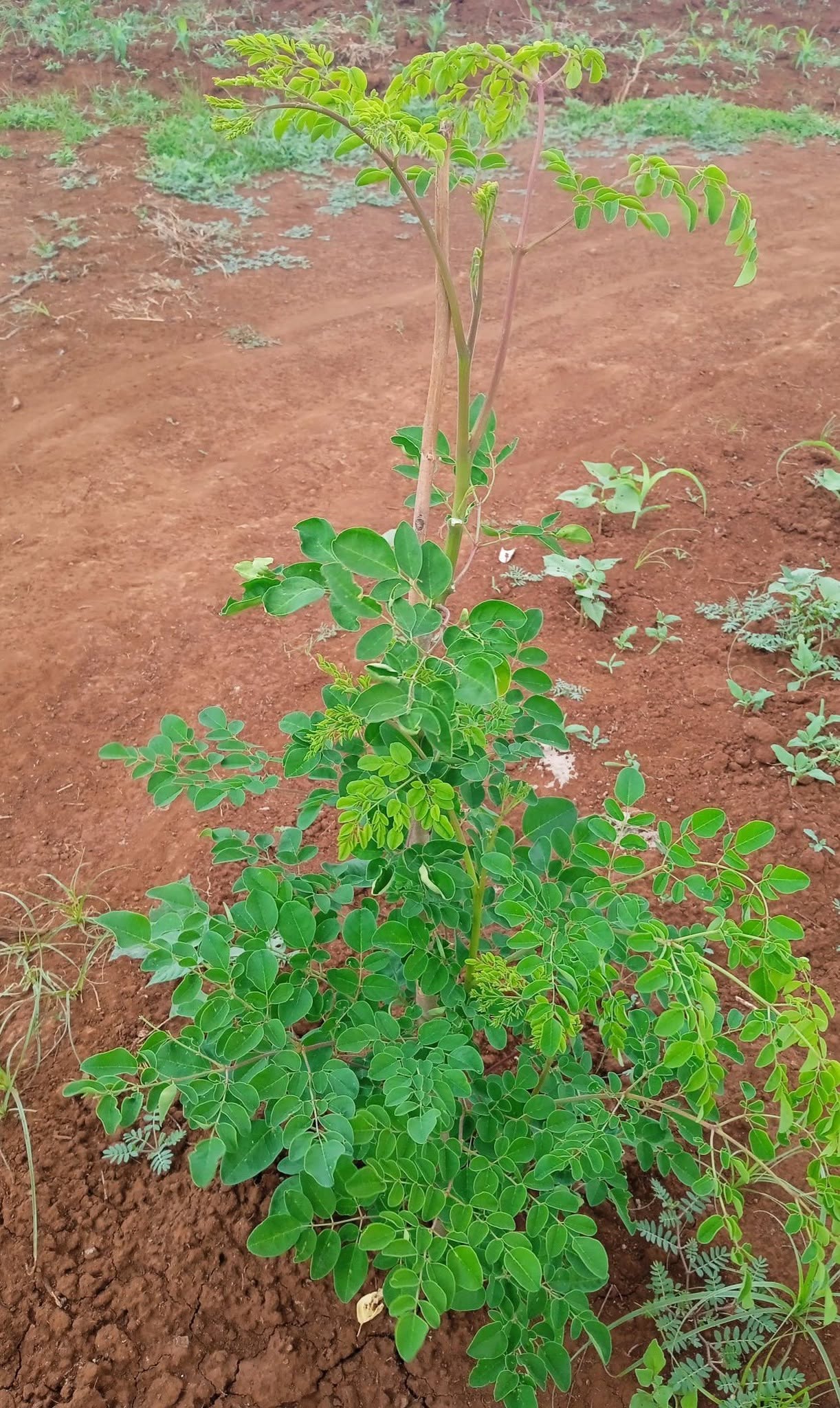
Agroforestry is increasingly recognized as a vital climate-smart solution in Kenya and globally, helping farmers adapt to rising temperatures, erratic rainfall, and soil degradation while boosting food security and biodiversity. Current strategies emphasize integrating trees with crops and livestock to reduce vulnerability to droughts and enhance resilience.
Climate Change and Agroforestry: Current Situation
Key Impacts of Climate Change
- Rising temperatures: The past nine years have been among the hottest on record, increasing crop evapotranspiration and stressing water resources.
- Erratic rainfall & droughts: Severe droughts in East Africa reduce crop yields and pasture availability, threatening food security.
- Soil degradation: Climate change accelerates salinity and nutrient depletion, undermining productivity.
Role of Agroforestry
- Carbon sequestration: Trees capture and store carbon, mitigating greenhouse gas emissions.
- Microclimate regulation: Shade trees reduce heat stress on crops and livestock.
- Soil fertility: Leguminous trees improve nitrogen levels, reducing dependence on chemical fertilizers.
- Diversified income: Timber, fruits, fodder, and medicinal plants provide alternative livelihoods.
- Resilience: Agroforestry systems buffer communities against climate shocks by spreading risk across multiple outputs.
Kenya’s Climate-Smart Agriculture Strategy (2017–2026)
- Policy framework: The Ministry of Agriculture and partners (FAO, UNDP, World Bank) promote agroforestry as part of climate-smart agriculture.
- Integration goals: Encourage adoption of tree-based farming systems to enhance resilience in arid and semi-arid lands like Kajiado County.
- Community empowerment: Training farmers on sustainable practices, water harvesting, and tree-crop-livestock integration.
Challenges Ahead
- Adoption barriers: Farmers may lack knowledge, seedlings, or incentives to plant trees.