

Hope in Every Seed
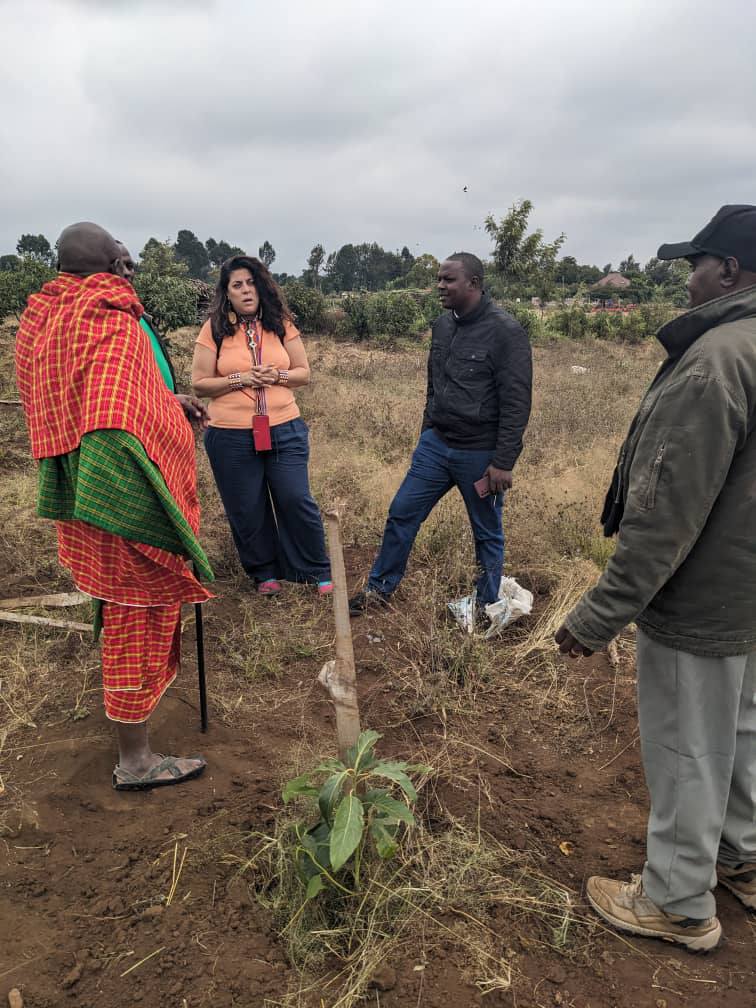
Representing BSM, I visited the Matonyok Project the last couple of days. And the visit was nothing short of inspiring. Led by the visionary...
Mango, avocado and grevillea alongside maize and beans: trees that feed families, shade crops and hold the soil.
We recognize the tremendous benefits that fruit trees bring to agroforestry systems. By advocating for and promoting the integration of fruit trees into agroforestry practices, we aim to maximize both environmental and socioeconomic benefits.
Environmental Conservation:
Fruit trees play a vital role in enhancing environmental conservation efforts. These trees contribute to soil health by preventing erosion and promoting nutrient cycling. With their extensive root systems, they stabilize the soil, preventing it from being washed away during heavy rainfall or windstorms. Additionally, fruit trees act as natural windbreaks, reducing the impact of strong winds on crops and increasing overall farm resilience
Biodiversity Conservation:
Fruit trees are valuable additions to agroforestry systems as they provide essential habitats and food sources for insects, birds, and other wildlife. By promoting the cultivation of diverse fruit tree species, the Organization helps to preserve biodiversity, fostering a thriving ecosystem on agricultural lands. This ecological balance contributes to the overall health and sustainability of agroforestry systems
Food Security and Nutrition:
The cultivation of fruit trees within agroforestry systems plays a critical role in improving food security and nutrition for local communities. Fruit trees offer a sustainable source of fresh fruits, which are rich in essential vitamins, minerals, and dietary fiber. By diversifying crops with fruit trees, farmers can enhance their own diets and provide a stable supply of nutritious food for their families and local markets.
Income Generation:
Fruit trees have economic benefits that facilitate income generation for farmers and rural communities. By incorporating fruit trees into their agroforestry systems, farmers can diversify their income streams, reducing dependency on single crops. The sale of fruits, both locally and in regional markets, provides farmers with additional revenue sources throughout the year. This income diversification enhances economic resilience, reduces poverty levels, and improves the overall livelihoods of farmers and their families
Climate Change Mitigation:
Fruit trees capture and store significant amounts of carbon dioxide from the atmosphere. This carbon sequestration contributes to mitigating climate change by reducing greenhouse gas emissions. By promoting fruit tree cultivation within agroforestry systems, the Organization aims to contribute to climate change mitigation efforts on a local and global scale
6. Farmer Empowerment:
Integrating fruit trees into agroforestry systems empowers farmers with more sustainable and resilient farming practices. Fruit trees offer farmers greater flexibility and options for income generation, enabling them to respond to market demands and fluctuations. By providing training, resources, and support, the Organization empowers farmers with the knowledge and skills needed to successfully cultivate and manage fruit trees within their agroforestry systems
Representing BSM, I visited the Matonyok Project the last couple of days. And the visit was nothing short of inspiring. Led by the visionary...

Nolturesh to Elangata Enkima rivers walk. Several rivers are drying due to deforestation and farming done on the banks of rivers, this is du...
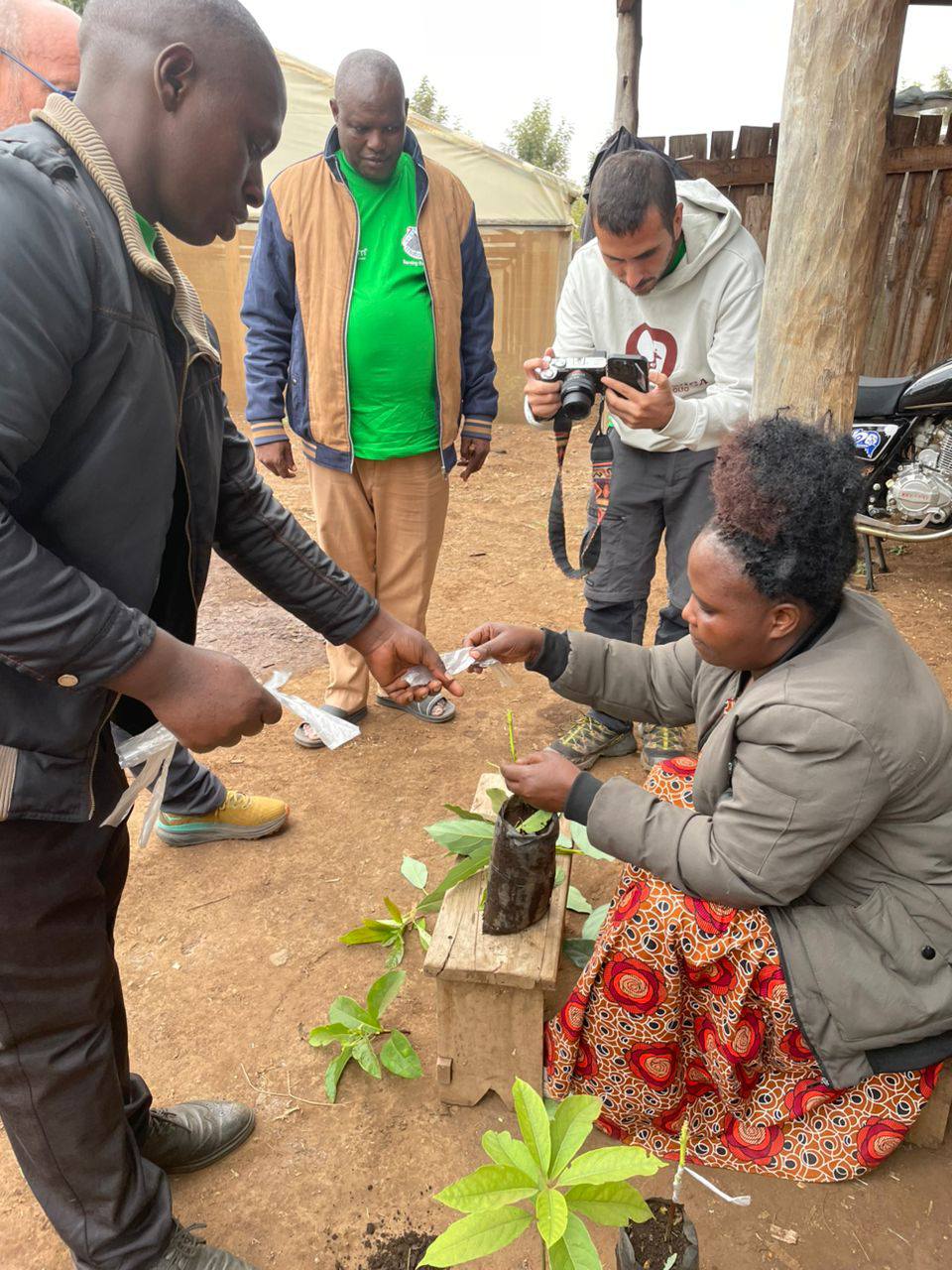
After a few days in tourist areas, we’re back to the real projects — the rural realities, the stories I truly love. This is the first of thr...
Your gift supports tree planting, training and school programmes led by the communities themselves.
Field stories and updates from Amboseli, a few times a year.